


I thought I would take a break from my stories to talk about different types of photography. Most of these will be obvious, but not only will I talk about what they are but also talk about some considerations if you want to pursue any of these types.
Landscape: landscape is a great way to get out and explore the areas near (and far) from you and allows you to really get to know your camera. However, this is an area that is hard to master, so if you’re up for a challenge, go for it!
Because you are going out to places that might be remote, or at least with a lot fewer people around, it’s best to go with a friend who can help you if you get into trouble, even if it’s just a twisted ankle. You will also need a backpack, good shoes/boots, a tripod, rain cover and ND (neutral density) filters if you enjoy shooting sunsets and sunrises.
Check out the weather of the area you will be travelling to BEFORE you go and be prepared to wear layers. Bring snacks and water and notify your friends before you go, just so someone knows where you are and when to expect you back-just like if you were going camping or hiking.
And like wildlife below, the best times to shoot are the first couple hours after sunrise and the couple hours just before sunset-noon leaves flat, very dark shadows.
If it turns out cloudy, or the weather is otherwise uncooperative, take the time to practise your skills. Worse comes to worse, revisit the area at another time in another season, you may find the shot you were looking for.
Also, take advantage of the occasions when your friends invite you to go along for a hike or camping. And don’t forget about trips! When it becomes safe again, perhaps you can join a tour specifically for photographers-don’t worry if you don’t have as much experience or skills as others on tour, you’re doing it to increase your skills, not to please or impress others.
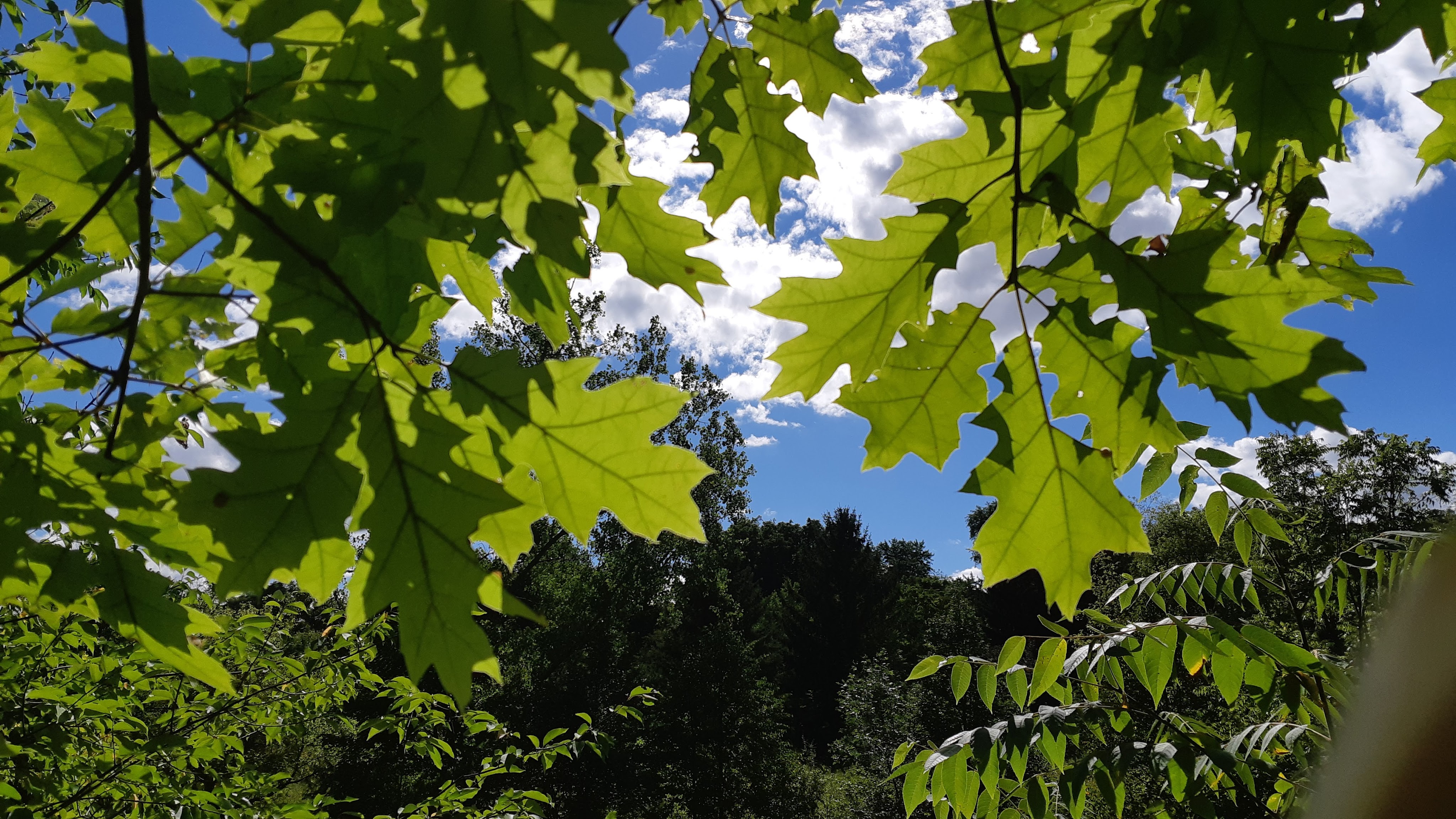
Wildlife: Isn’t it true that some of the photographs that really move us feature wildlife? Whether it’s the handsome face of a lion or the grace of a wild horse. Like landscape photography, this area can be challenging, but don’t let that stop you if this is something you’re passionate about.
The requirements and equipment are similar to landscape photography, plus you have to get to know the creature you are choosing to photograph. Once you know how your subject behaves, you can maximize your chances of capturing them on film.
Most animals are most active at dawn and dusk, so noon ain’t a good time to go out looking for birds or animals.
Be patient! You will probably have to do more than one sitting to get the shots you want.
Be quiet! A lot of sudden, loud noises will frighten away your subjects.
You will need a good pair of shoes/boots, a backpack, snacks and water, a tripod, rain cover, ND filters and telephoto lenses (chances are the animals will hear/smell/see you long before you see them and it gives them space, which makes them feel more comfortable). Also, bring along a buddy for the same reasons as you would for hiking or camping. And let people know where you are going and when you’re expected back.
Take advantage of all the times you actually are out in nature, even if it’s just a walk in the park. If you look at my post called Peek-A-Boo, that’s exactly what happened-I was just going for a jog and stumbled across her.
Take advantage of your pets. They will help you get used to working around animals. You need to be fast, so just take the shots. Like children, animals won’t sit still and you may get one really good shot out of that dozen you took. If you don’t get to work, you may not even get one. I took six shots to get the one I posted for Peek-A-Boo.
And take advantage of the nearby zoo, aquarium, farm, etc. You can’t get enough practise!
Low light and Night: this is a really large group of fields, which includes: twilight, indoors, fireworks, stellar (stars and planets), etc. This area has different challenges than the other fields which are done in the bright light of day, but it brings out a whole different aspect of the world for us to see.
This is an area that where set up is your your #1 priority (conditions don’t change as rapidly at night as it does during the day). Then patience. One, to wait for your subjects to appear. Two, you may also have to go out several nights in a row to capture your subject (especially with the northern/southern lights which don’t always appear every night). Three, your shots may not always be perfect because of the low light levels, so you need to be prepared to take shot after shot and lastly, patience to work on them in post production to sharpen them up and reduce noise.
Beside patience, you will need a tripod because you will (generally) be using slow shutter speeds and need to keep your camera as still as possible. This is also why a cable release or wireless remote is good, you get less shaking of your camera than if you use your camera’s shutter button. Depending on your subject, you may also need a telescopic lens (moon, planets, etc.)
A few tips: use mirror lockup (locks your mirror up to prevent camera shake), turn on the Image Stabilizer on your lens and use Infinity Focus (∞ symbol on your camera’s lens) when you are taking shots of the starry heavens.
If you are going out to film the stars, moon, northern/southern lights, etc. along with your tripod, wear lots of layers and bring a friend.

Pet: we love our pets. Enough said.
Similar to wildlife photography in requirements except you’re not going to be out in the wild. But, this may bring you out into the pasture if you happen to be photographing horses or other prize animals, so you can’t be entirely adverse to mud and dust.
When taking shots of pets, you also need to be good with both pets and their owners. Because those of us that have pets know that they can become like our children and we can be very sensitive to how people treat them or work with them.
And don’t be afraid to get down on their level. Photos at pet eye level can be really attention grabbing and engaging.
Portrait: this is a field that offers huge variety. You can specialize in newborn and infant photography, fashion, school photography, studio etc. Technically, even celebrations could fall into this category as so much about them involve people. There are several challenges however, if you wish to enter this field: it can be hard to stand out and requires a lot of technical knowledge.
If you are doing in studio photography, you will need to learn how to use flash photography and all the equipment that goes along with it. If you want to do newborn and infant photography, you will need a car because it’s best to go to their home where they’re most comfortable (no flash or strobe lighting for them however). If fashion is your thing, you will need a lot of technical knowledge (how to use your equipment) and very good skills in composing artistic images.
For this field, being a bit more outgoing is a plus because you will need to interact with your subjects, both to help them understand how you want them to pose and to help your subjects relax. Because everyone looks better relaxed, just like everyone looks good in candlelight.
Wedding/Celebration: this, like portraits, is a very competitive field, so be prepared to figure out your style and what makes you different from the rest. Here as with portraits, overcoming your own shyness is another key to success. On the plus side, this can be a very creative space with lots of room for you to express your style, be it journalistic (documenting the day like you are telling a story), traditional (posed and classic, as it sounds) or contemporary (shots are very artistic with a fashion photoshoot feel).
There will be several different types of shots you will be going for: straight up portraits, group shots and candid shots. In each, you want to try to capture personality, relationships and the subject’s point of view.
The equipment you need will depend on your style. At the most basic: a good camera, several lenses and a tripod.
Architecture: I enjoy the artistic features of old buildings, that’s why I enjoy this area. If you enjoy architecture, but haven’t been able to get into designing buildings, you would probably enjoy this field too, even if your tastes lean towards modern. This area of photography includes both the inside and outside of buildings, so don’t limit yourself to just the outside. It requires good (wide angle) lenses and a knowledge of a photo editing program. For instance, check out my photos of Old City Hall (Toronto). The first is unedited, the second has been edited to take out the warping that is caused by the lens I used:

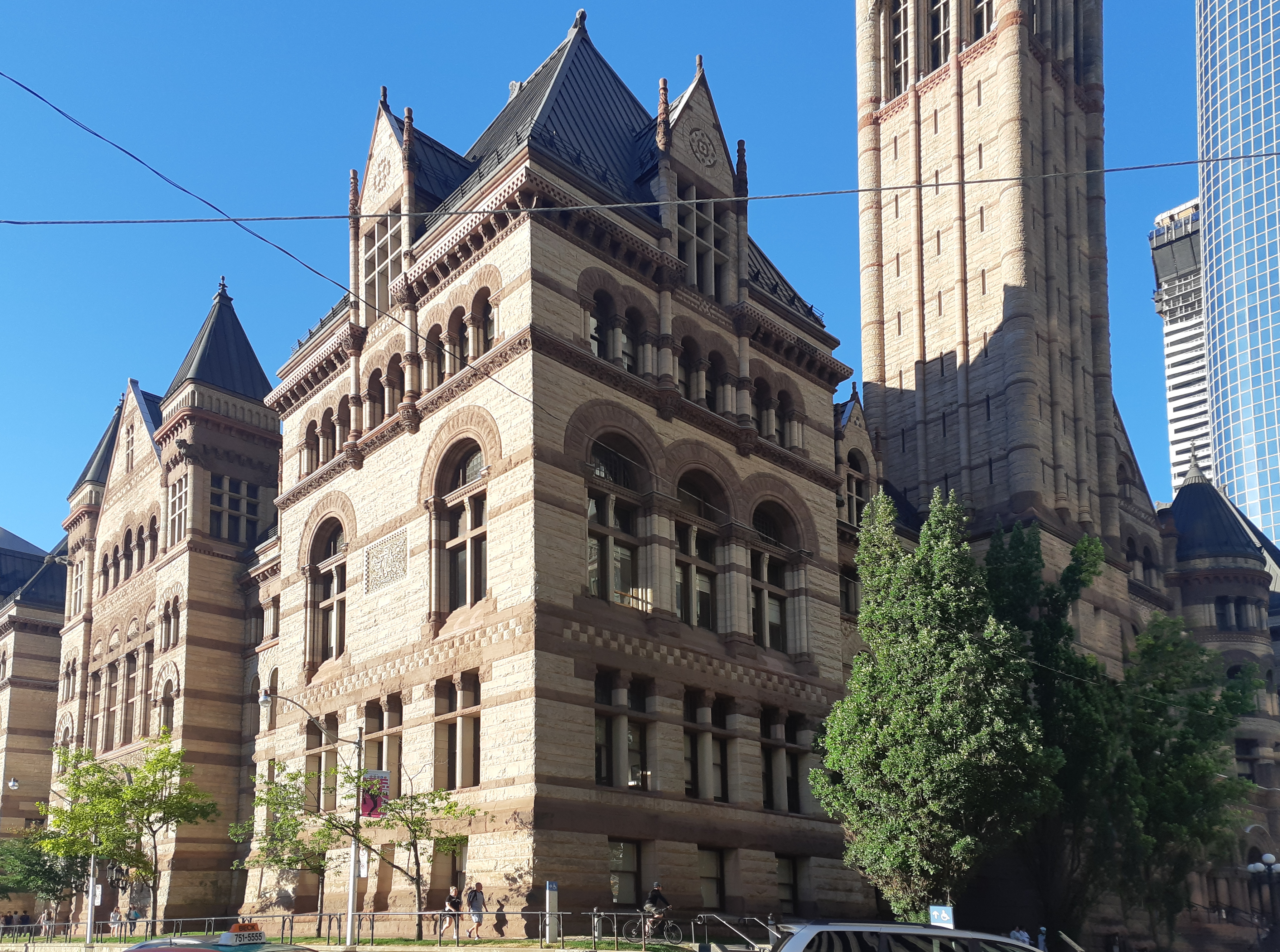
I know some of you will cringe when you think of using this type of software, but if you do some research, you will find that photographers have been editing their photos since the art of photography was invented.
You don’t need a tripod, but it can be a useful item. I would also suggest a comfortable pair of shoes that provide good cushioning and support. Sidewalks can be really hard on the feet and legs. And backpack to carry your snacks, water and equipment.
This was just a brief overview of some fields in photography. I hope you enjoyed this post and it gave you some food for thought and maybe even a little inspiration.
Enjoy practising and stay safe!
 Sweet Gale Cottage
Nicely done Heather!
LikeLike